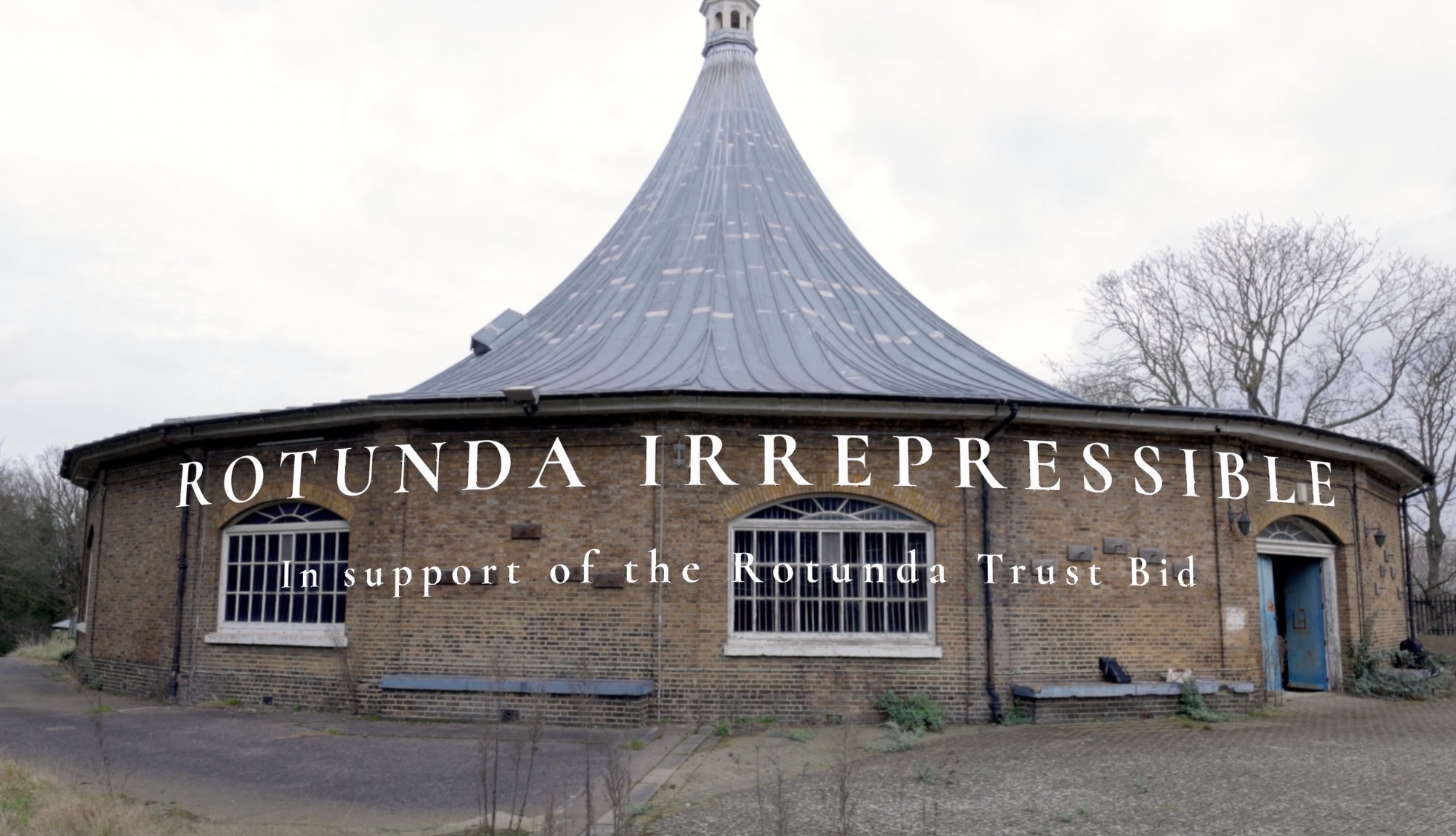
Rotunda Trust is a Building Preservation Trust formed to acquire and conserve the Rotunda, Woolwich, a Grade II* listed building designed by John Nash in 1814. The building has been on Historic England's Heritage at Risk Register since 2007.
The trust was incorporated on 25 March 2026 as a company limited by guarantee, company number 17115816, and is a registered charity, number 1220458. Its charitable objects are the preservation of buildings of architectural or historic interest, with the Rotunda as its first and principal project.

The building
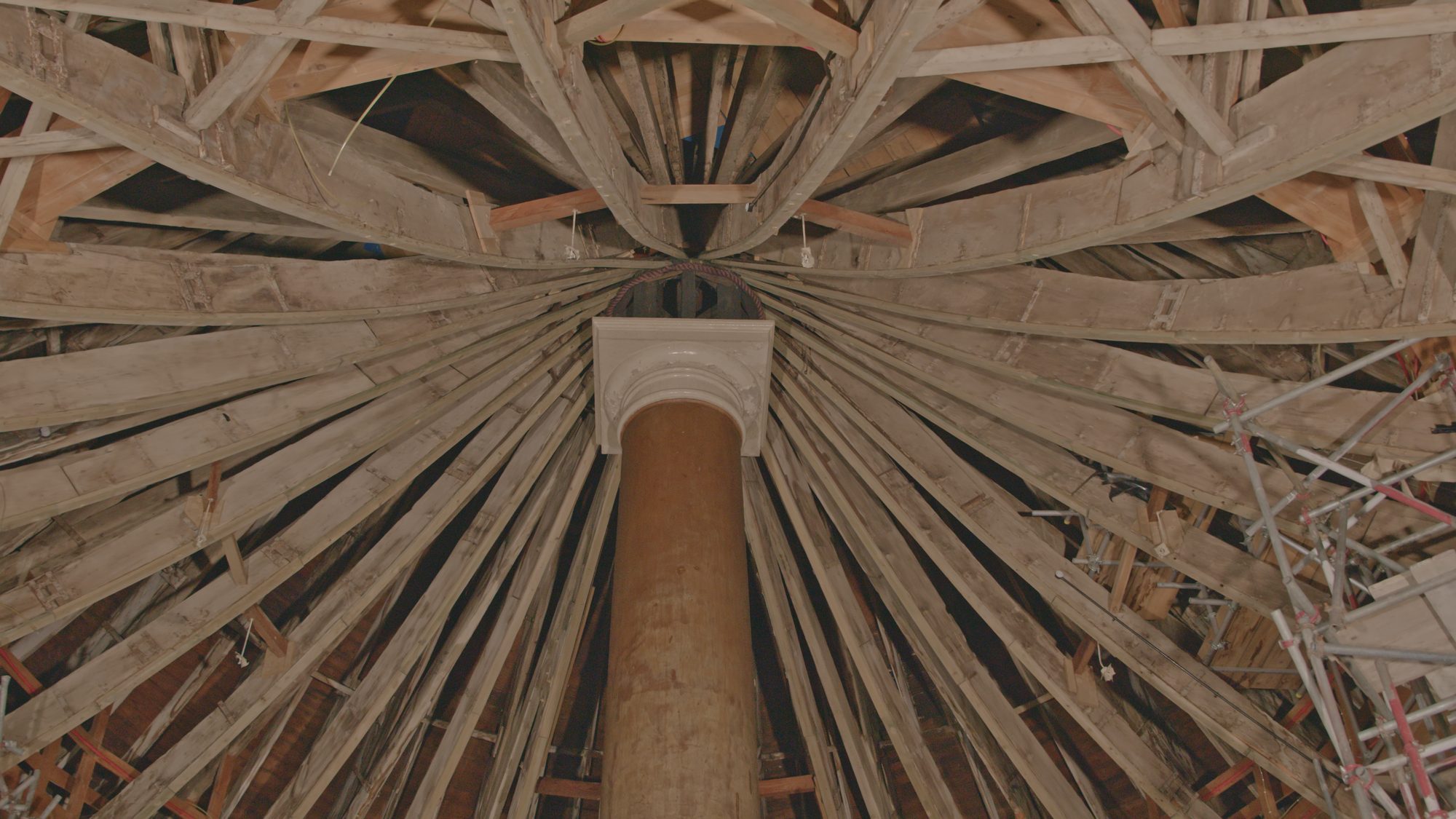
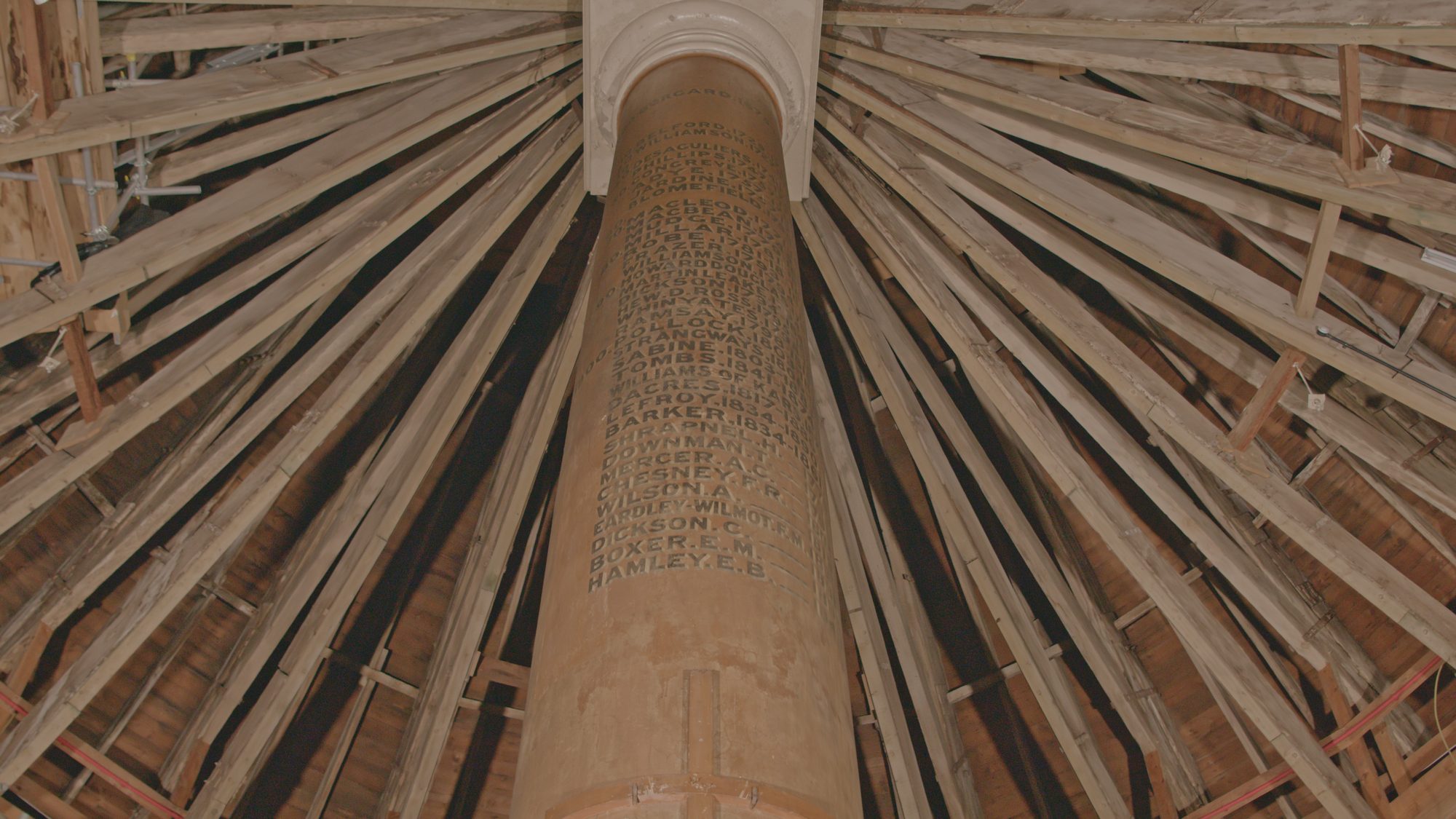
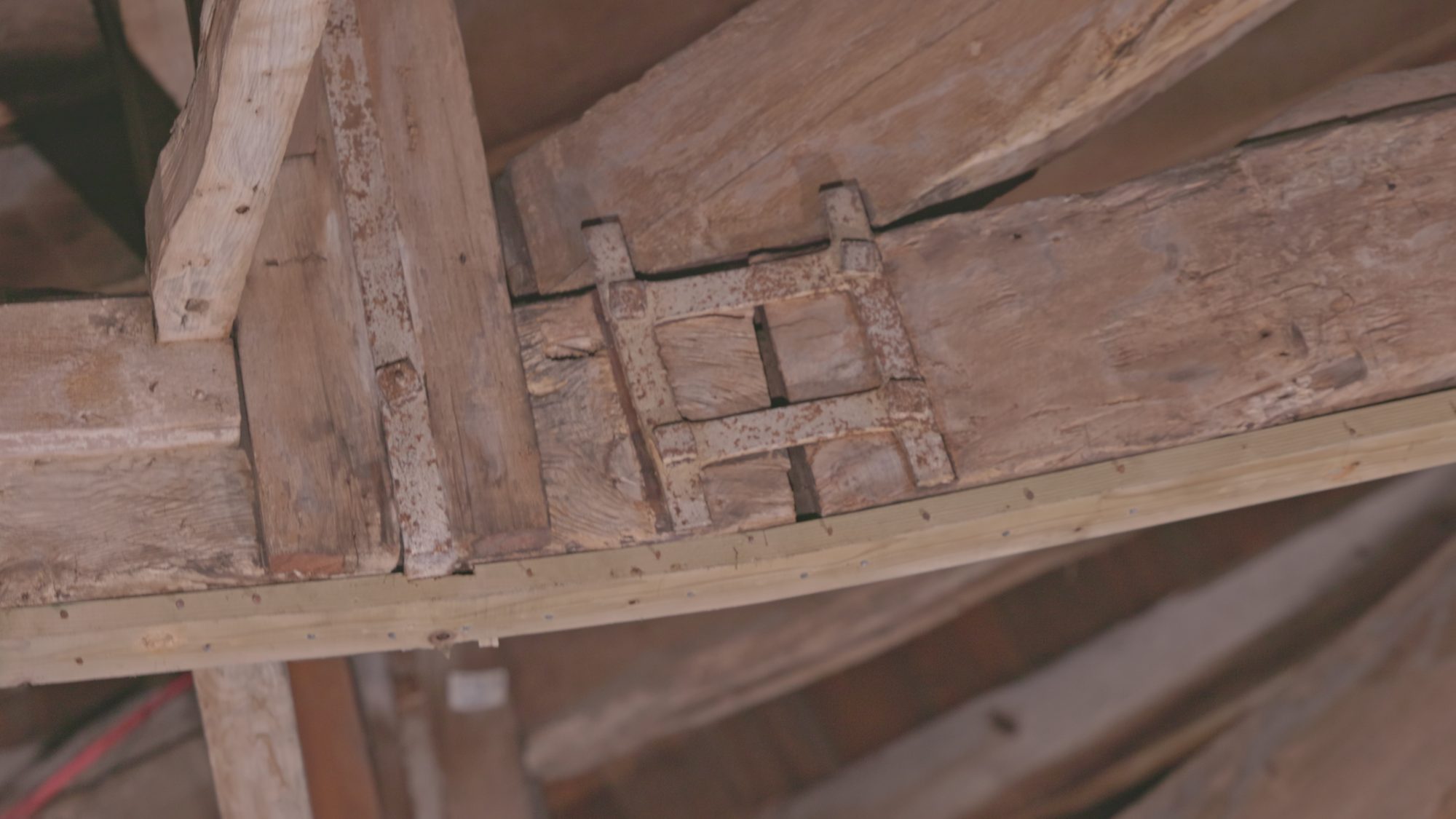
The Rotunda was built at Carlton House for the fête for the Duke of Wellington on 21 July 1814. It was moved to Woolwich Common in 1818–1820 and enclosed in a brick drum, and served as the Royal Artillery Museum from 1820 to 2001. Its laminated timber roof is one of the earliest known examples of large-scale laminated construction in Britain.
The Ministry of Defence has approved the sale of the Rotunda to the Trust, subject to contract. The Trust is buying it in partnership with the Greenwich Enterprise Board. Historic England describes the building's condition as very bad. Read the full history of the building.
“This represents a real turning point for securing the future of the Rotunda, something we have been working towards for many years. We are grateful for the pragmatic approach taken by all partners involved and look forward to supporting the conservation and sustainable reuse of the building. This spectacular piece of Regency heritage deserves to once again be enjoyed and valued by the wider community.”Alfie Stroud, Places Regeneration Team Leader, Historic England
Conservation and commercial use
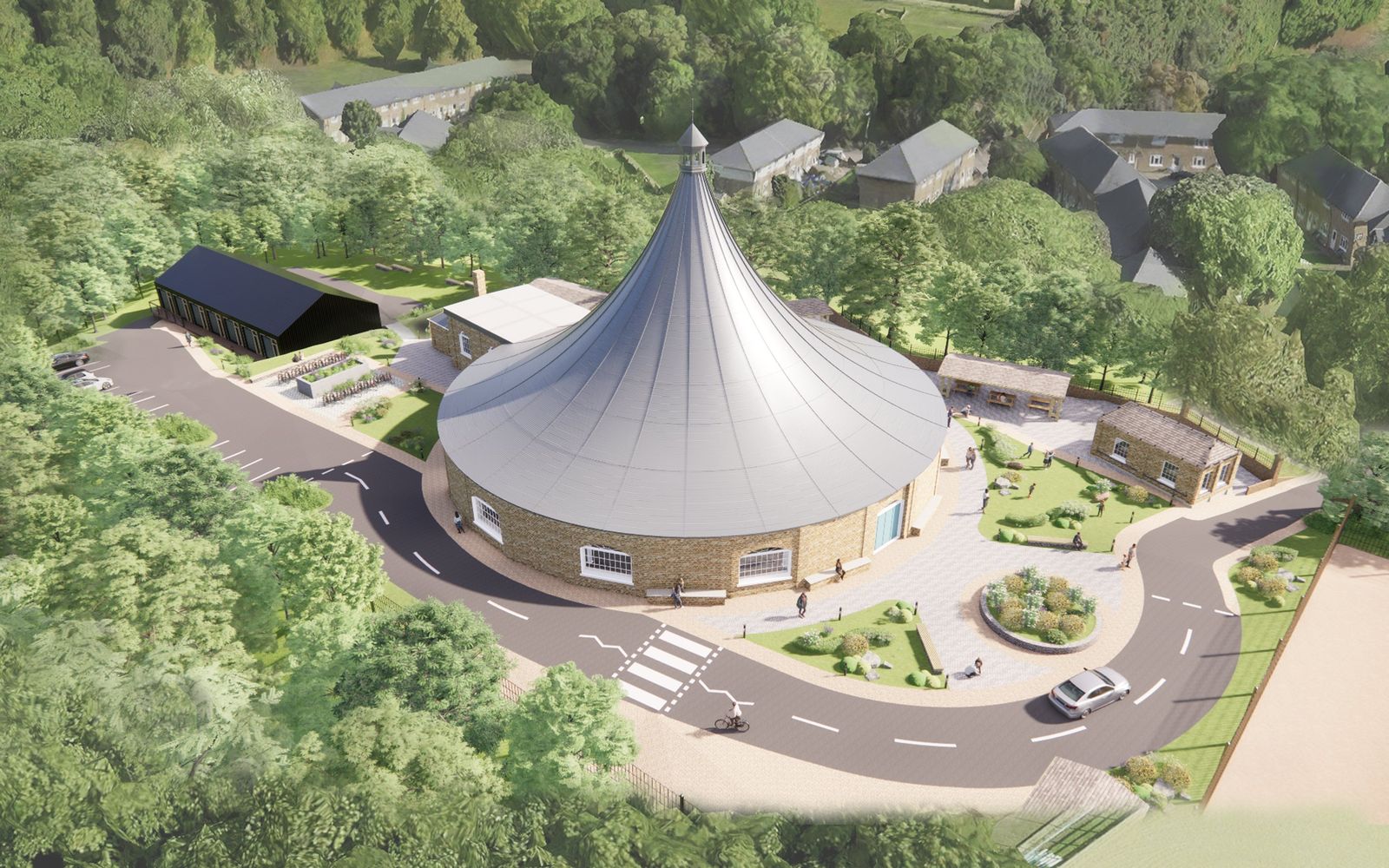
The trust's role is to hold the Rotunda in charitable ownership and manage its conservation. That secures access to heritage grant funding and guarantees community access to the building for the long term. An operator, chosen by an open process, will run the venue under a lease at an open market rent, with the trust keeping control of the building, and the rent goes first to the building's ongoing conservation.
This is the standard model for a Building Preservation Trust: a charity holds the building for the long term and a commercial partner keeps it in use.
We will work with the Royal Borough of Greenwich, the Royal Artillery Museum, the Greenwich Enterprise Board, and other heritage partners on the building's future.
Our vision
The Rotunda was built as a place for people to gather. We want to return it to that role: a venue for community events, cultural programming, music, and private hire, with commercial income funding the building’s ongoing conservation.
Grant funding
As a charitable Building Preservation Trust, Rotunda Trust is eligible for heritage grant funding from the National Lottery Heritage Fund, Historic England, and the Architectural Heritage Fund, which is not available to commercial entities acting alone.
This winter’s work is made possible with The National Lottery Heritage Fund, thanks to National Lottery players, and with the Architectural Heritage Fund. Find out how to support the Rotunda.
News by email
For occasional updates on the Rotunda and the Trust’s work, sign up to our mailing list (opens in a new tab).
Contact
For enquiries about the trust or the Rotunda, please write to hello@rotundatrust.org.uk.
Rotunda Trust drafts its written work with AI. A named trustee or officer checks every document, and every fact comes from a source we can name.